


Unicorn hunters target crypto as next big thing
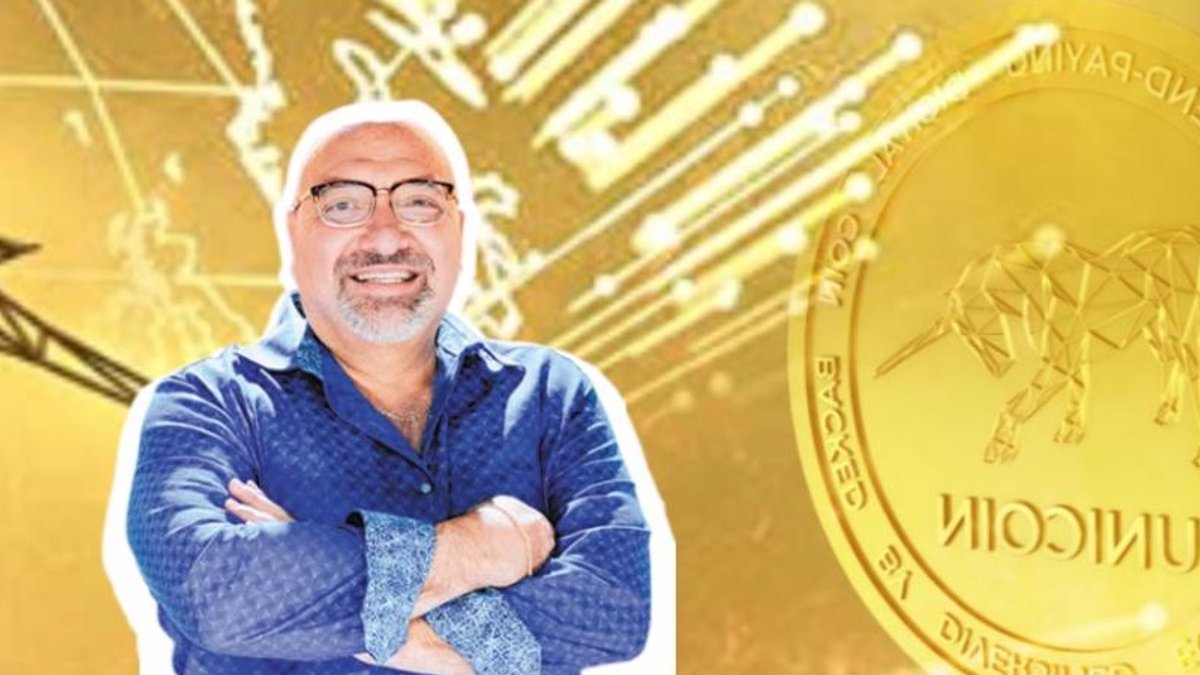
The next big thing the “Unicorn Hunters” are after is crypto. The Amazon Prime show, which features founders pitching high-growth startups to a panel of investors, launched its own token last year. The creators of Unicoin argue the asset-backed cryptocurrency is a safer bet than established coins like Bitcoin. Revlon Files for Bankruptcy Protection
A show pivots to tokens
Unicorn Hunters debuted last year with a lineup of judges including Apple co-founder Steve Wozniak and pop singer Lance Bass. The show’s executive producer, former White House advisor Moe Vela, says the producers soon realized the program could do more than just help startups find capital. They decided to offer a piece of the action to the general public through a digital asset.
In February, the show debuted its own token, Unicoin. The creators describe it as a “next-generation cryptocurrency that pays dividends” backed by equity in high-growth companies. Vela, who served as CFO for Vice President Al Gore and later as senior adviser to President Joe Biden, believes the token offers a more stable investment option than the traditional cryptocurrencies dominating the market.
“I don’t mean to be disrespectful, but when you buy a Bitcoin or Ethereum or Solana or whatever, you’re trading air,” Vela said. “There’s nothing behind it.” He argues that the volatility and lack of backing in assets like Bitcoin are turning investors away. The sell-offs in the crypto market earlier this month, he notes, have only highlighted the need for assets with mitigated risks.
Asset-backed vs. speculative
Vela contends that Unicoin solves the problem of volatility by being asset-backed. When a user buys the token, they are purchasing a stake in a global innovation fund. This fund takes an equity position in emerging growth companies, some of which appear on the show’s roster.
The pitch suggests that while traditional crypto assets have “lots of vulnerabilities” and “tremendous volatility,” Unicoin combines the attributes of traditional investing with crypto technology. Vela claims this hybrid approach provides a semblance of centralization and operational infrastructure that traditional cryptocurrencies lack. He jokes that the goal is to bring “stable” back into “stablecoin.”
Stablecoins, which are supposed to be less volatile, have also faced significant fluctuations recently. Vela attributes this instability to the current economic environment, including high inflation and rising interest rates. He believes investors are becoming more cautious about where they put their money as the economy faces uncertainty.
While the current crypto market is experiencing a downturn, Vela remains optimistic about the future of digital assets. He argues that regulation can actually help the industry by encouraging innovation rather than stifling it. The Biden administration’s recent executive order on digital assets, which he supports, aims to establish oversight without creating prohibitive barriers to entry. If regulators can strike a healthy balance, Vela believes the industry will continue to grow and democratize access to wealth creation. Cashierless stores set to redefine shopping

Revlon Files for Bankruptcy Protection


