


El Niño threatens global food supplies and economies
A powerful El Niño event is developing in the Pacific Ocean, yet its potential consequences for global food supplies, inflation, and economies receive little public or financial-market attention. Scientists warn this could become the strongest El Niño on record, with temperatures exceeding average levels by up to 3.5°C—a far greater deviation than the 2.6°C peak observed in 2015. The U.S. National Oceanic and Atmospheric Administration (NOAA) now assigns an 81% probability of a “very strong” event, defined as warming 2°C above seasonal averages, with some models indicating even larger deviations than previously projected.
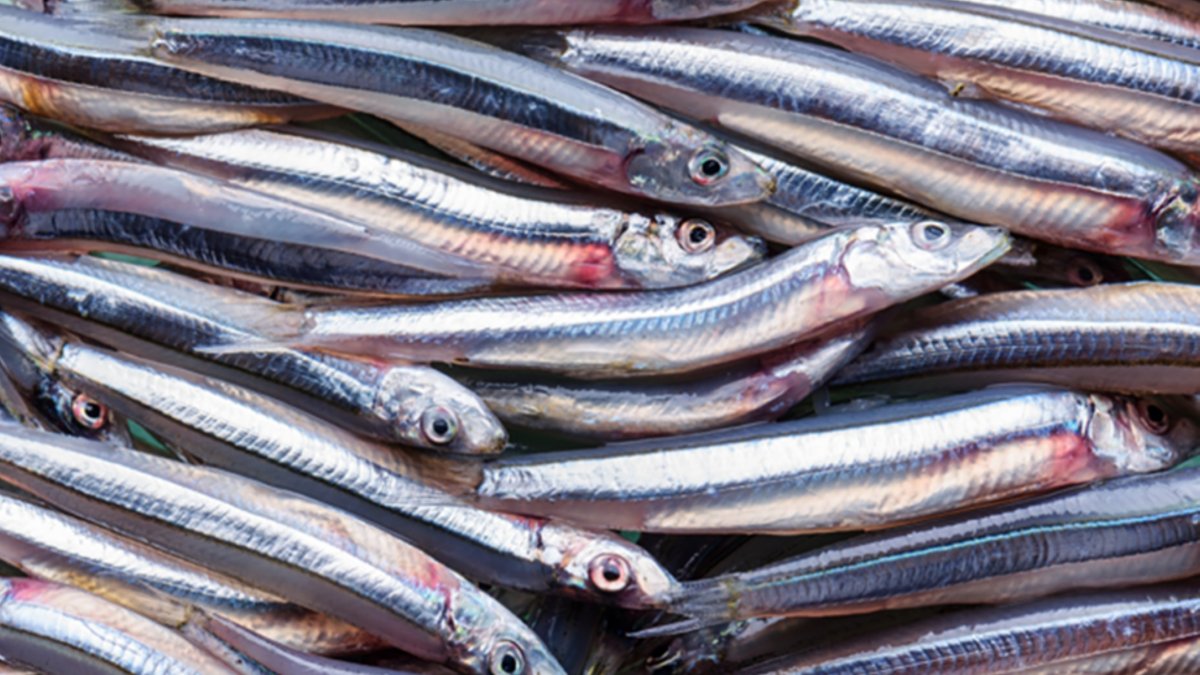
Peru stands among the most vulnerable nations, where GDP growth could shrink by over 1 percentage point due to extreme weather damaging roads, supply chains, and farming. As the world’s leading blueberry exporter with annual sales of $2.5 billion, a production drop would drive global prices upward. The country’s anchovy fishery, the largest by volume, faces similar risks, as warm waters force fish deeper and reduce catches. This fishery provides 20% of the world’s fishmeal, essential for farmed fish, livestock, and poultry. A disrupted fishing season would destabilize global food systems, likely increasing supermarket prices for seafood and animal products.
Australia’s wheat production could fall by up to 60%, while global cocoa and coffee output may decline by 15%, and Brazil’s corn yields could drop by 10%. South America will experience more frequent typhoons, flooding, and droughts, exacerbating grain shortages across East Africa. Food prices, already strained by the Russia-Ukraine war and fertilizer shortages from the Strait of Hormuz closure, will rise further. Emerging markets, where food constitutes a larger share of inflation than energy, will face the harshest effects, with higher borrowing costs and currency instability likely in China, Indonesia, Taiwan, Thailand, Vietnam, and even the UK, which imports much of its food.
Related Post: Bond Vigilantes World Cup Knockout Model
NOAA’s latest analysis shows how this El Niño could surpass the 2015–2016 event, when global temperatures rose by 1.1°C above pre-industrial levels. This time, some Pacific regions may exceed the 3.5°C threshold, with NOAA’s Climate Prediction Center warning the event could persist through early 2027. While peak warming may occur in late 2026, atmospheric changes, such as shifted jet streams and altered rainfall patterns, will likely extend into the following year.
The Panama Canal’s water crisis is worsening, with transit times increasing by up to 40% for some vessels.
Market and Investor Reactions to Super El Niño Risks
Data from June 2026 shows that past El Niño events have created distinct investment opportunities alongside challenges. Rising inflation is expected to push central banks toward higher interest rates, which will influence currency values and local bond markets. Extreme weather events, such as the 2024 flooding in southern Brazil, have historically led to sharp declines in asset quality for regional banks and sudden shifts in bond prices.

Rich nations struggle with rising debt burdens


