


Australian Housing Boom Faces Rising Debt, Rate Pressures
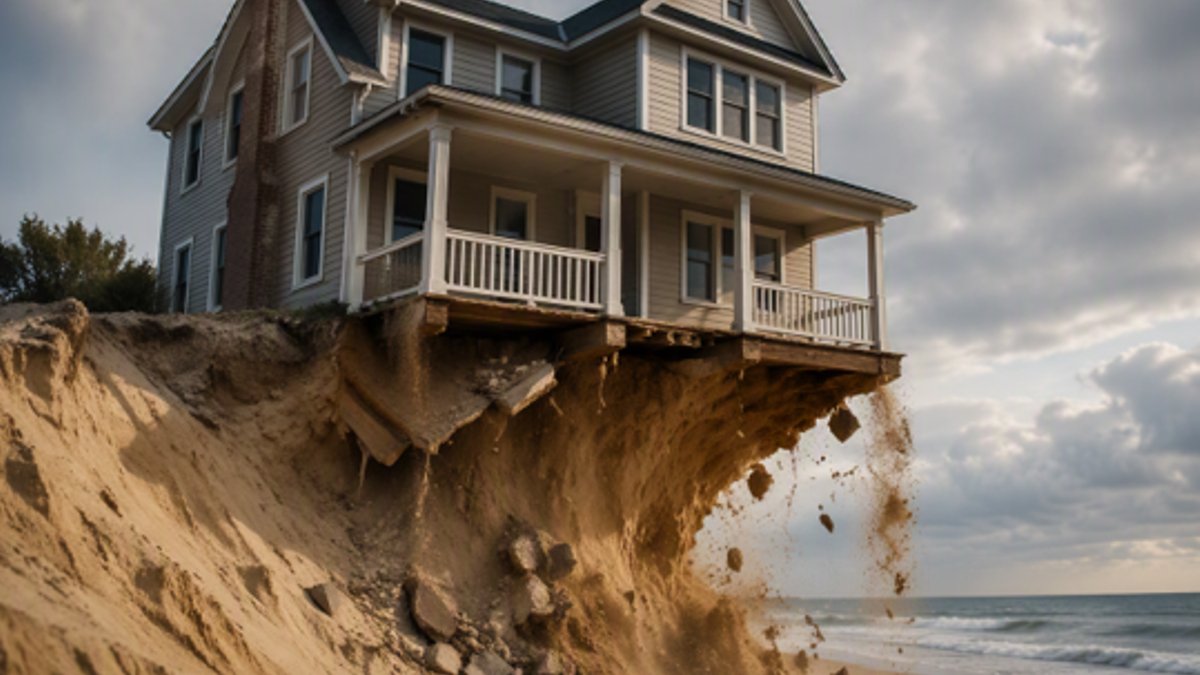
Australia’s housing market is facing a critical juncture. For years, it has been seen as a sure bet, with population growth and limited supply driving prices to some of the highest levels in the developed world. But now, the foundations of this boom are being tested. This perception of property as a one-way bet has been deeply ingrained in Australian culture, often met with disbelief when the possibility of falling house prices is mentioned. However, the market’s fundamentals are shifting, and these changes are becoming increasingly difficult to ignore.
A perfect storm of challenges
Australian households are among the most indebted globally, with debt levels reaching 112% of GDP. This leaves the market vulnerable to rising interest rates, as the Reserve Bank of Australia (RBA) focuses on tackling inflation. Unlike the US, where household debt was around 100% of GDP in 2007, Australia’s mortgage market is heavily exposed to variable rates, meaning monetary policy has a rapid impact on households.
The structural difference in mortgage types—variable rates in Australia versus 30-year fixed rates in the US—amplifies the sensitivity of Australian homeowners to interest rate changes. As borrowing costs increase, highly indebted households have less disposable income, leading to reduced consumption and financial stress. Simultaneously, fewer buyers can afford the amounts needed to sustain current property valuations, historically putting downward pressure on prices.
Moreover, the high debt levels leave the market with limited room to take on further debt, making it more exposed to rate moves. While Australia’s lending standards are stricter and the market benefits from strong migration, the weak starting point of high debt increases vulnerability. The RBA’s restrictive stance on interest rates, driven by inflation concerns, further exacerbates this challenge, as higher rates directly impact variable-rate mortgages.
Read Also: European Gas Prices Surge, Sparking New Crisis Fears
Tax changes add to the pressure
Property investors have long benefited from Australia’s favorable tax treatment, particularly through negative gearing and capital gains tax concessions. However, recent changes have made the investment environment less appealing. Negative gearing previously allowed investors to offset rental losses against other income, while capital gains tax concessions reduced the tax burden on profits.
As these incentives become less generous, the after-tax return from residential property declines, reducing the appeal of paying increasingly stretched valuations in anticipation of future capital gains. This softening of investment demand weakens a key pillar supporting house prices. These measures have been put in place to address the huge supply/demand imbalance by dampening demand for existing housing stock. I just worry that the regulators don’t realise how supportive these measures have been over the years to valuations.
Economic indicators signal caution
Australia’s Economic Surprise Index has fallen to its weakest levels in a decade, indicating consistent underperformance relative to expectations. While no single indicator predicts house prices, a weakening economy rarely supports an expensive housing market. This index reflects the economy’s struggle to meet forecasts, a trend that historically does not bode well for asset prices, including housing. Consumer confidence remains fragile, and the economy is losing momentum. As households become more cautious, they delay major purchases and save more, further reducing demand in the housing market.

European Gas Prices Surge, Sparking New Crisis Fears


