


Vita Coco and Zico Back Coconut Water Trend
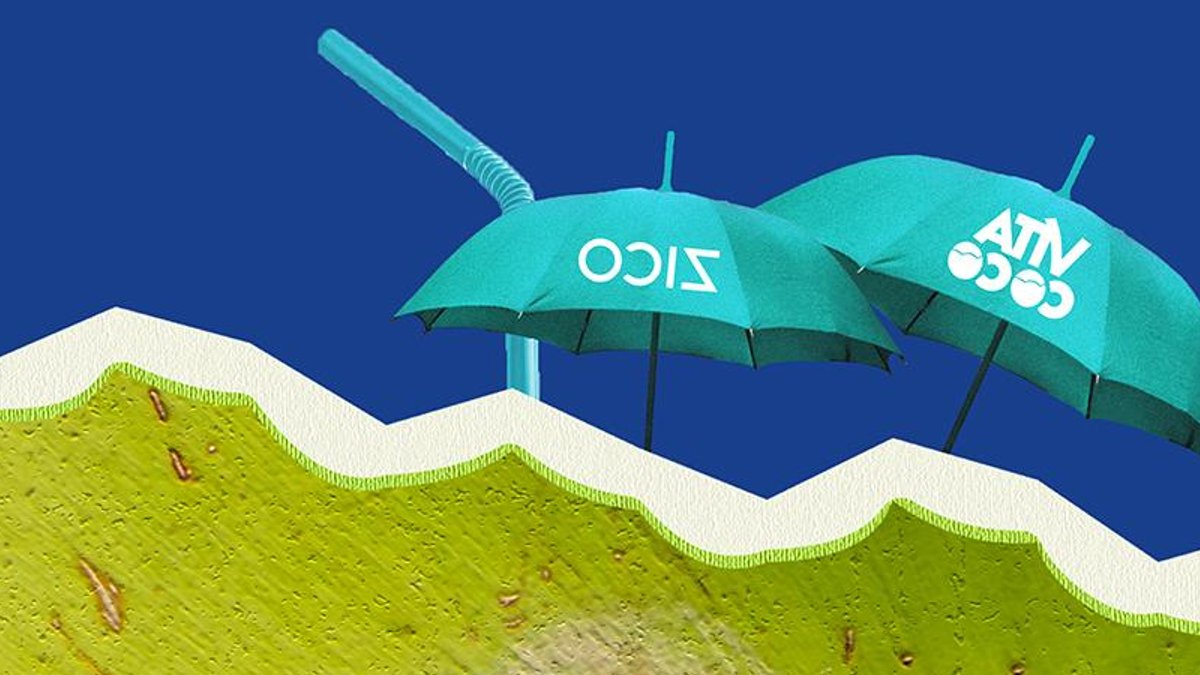
After a red‑eye flight landed in Rio de Janeiro in 2013, a traveler took a sip of coconut water from a street stall on Ipanema Beach and felt an instant lift, a moment that mirrors the surge in U.S. demand for the drink that same year.
The trend still captures attention.
From rapid growth to a market pullback
Research from Euromonitor shows U.S. sales of coconut water climbed from near zero in the early 2000s to roughly $600 million in 2013. Brands such as Zico, ONE and Vita Coco became familiar fixtures on grocery shelves, riding a wave of interest in natural‑looking beverages.
That momentum faded as the market diversified. Specialty waters, hard seltzers, kombuchas and other alternatives crowded the aisle, and consumers grew skeptical of the health claims attached to processed coconut water. While fresh, unripe coconut juice is undeniably rich in electrolytes and minerals, nutrition experts question the value of some packaged versions.
Related: Fintechs Aim to Join Small Business Teams as Employees
Euromonitor reports that after reaching a peak in 2016, U.S. coconut water sales fell 16 % and have continued to decline each year. Large beverage conglomerates have responded by pulling back: Coca‑Cola, which bought Zico in 2013, shuttered the brand last year, and PepsiCo discontinued the ONE line it acquired in 2017.
Founders double down on a shrinking segment
Despite the downturn, the original founders of the two leading brands are re‑investing in the product. Mark Rampolla, who started Zico after a Peace Corps stint in Central America, repurchased the brand from Coca‑Cola earlier this year and relaunched it as Zico Rising. The refreshed line is reappearing in retailers such as Walmart, and the company’s Twitter account proudly declares, “We’re baaaack! With nuttin’ but love.”
Meanwhile, Vita Coco, now owned by Michael Kirban and Ira Liran, is preparing an initial public offering that could raise $224 million and value the company at up to $1.1 billion. The New York‑based firm holds a 46 % share of the U.S. coconut water market and has filed to trade on Nasdaq under the ticker COCO.
Vita Coco’s social‑media strategy leans into humor, with a recent tweet joking about “Pumpkin Water” on the first day of fall, followed by a disclaimer that it is a joke. The brand’s online presence reflects an effort to stay top of mind even as overall demand wanes.
Related: User account blocked after policy breach
Both Rampolla and the Vita Coco duo have personal stories that fuel their belief in the product’s longevity. Rampolla first noticed coconut water’s rehydrating effect while serving as a Peace Corps volunteer, finding it more effective than sports drinks for hangovers and intense workouts. Kirban and Liran were inspired after a chance encounter with two Brazilian women in a Manhattan bar who praised the drink; Liran later married one of the women, turning a casual conversation into a business venture.
From a broader perspective, the situation illustrates how niche beverages can survive market cycles when founders maintain a strong brand narrative and leverage consumer nostalgia. Even with a reduced overall pie, a dedicated following and strategic retail placements can sustain profitability, especially when the product aligns with health‑oriented trends that periodically resurface.
Celebrity endorsements have also played a role. Early investors and fans of the brand included figures such as Madonna, Demi Moore and Rihanna, lending cultural cachet that helped the drinks stand out amid a crowded shelf.
Whether coconut water can fully recapture its former prominence remains uncertain. The market’s contraction suggests challenges, yet the commitment of its founders and the product’s enduring fan base indicate that it is unlikely to disappear entirely.

Fintechs Aim to Join Small Business Teams as Employees


