


China trade deal tests Ghana’s export edge
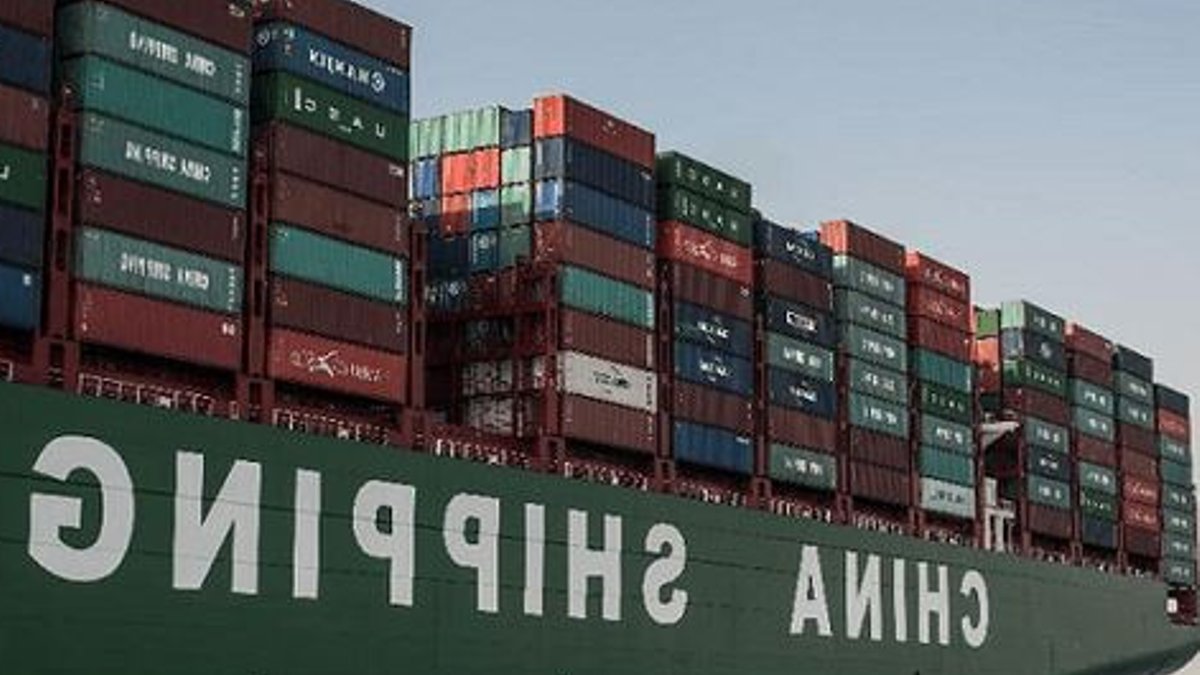
China’s decision to eliminate tariffs on imports from 53 African countries may create a new export opportunity for Ghana. The real challenge, however, lies in whether local producers can meet the demands of one of the world’s largest consumer markets.
Tariff-free access doesn’t ensure success
The policy removes import duties on agricultural goods, processed foods, and manufactured items. Ghanaian exports should now cost less in China, where tariffs previously increased prices. Officials and analysts agree the benefit will fade unless producers deliver consistent quality, volume, and reliability.
Chinese buyers require uniform standards, traceable supply chains, and on-time delivery—requirements many small and medium-sized Ghanaian businesses find difficult to satisfy. Stronger testing, certification, and coordination between regulators and exporters are necessary to make the tariff cut effective.
Logistics and finance create barriers
Exporting perishable goods like fresh produce remains difficult due to high shipping costs and weak cold-chain infrastructure. Port delays and inconsistent packaging add to the problem. Even if a product meets Chinese standards, exporters need working capital to scale up, cover certification costs, and wait for payment, which often takes months.
Affordable export financing is essential. Without it, businesses cannot invest in the processing, packaging, or branding changes required to compete. Some exporters have formed cooperatives or aggregators to share resources, though the approach hasn’t spread widely.
Related: Google hiring slows as tech bubble deflates
Trade representatives in China could assist by identifying buyers and easing regulatory hurdles, but their impact remains small compared to the opportunity’s size.
Past trade agreements between African nations and China have produced uneven results. Some countries experienced export growth in textiles or seafood, while others faced compliance issues and market saturation. Ghana’s strongest approach may involve concentrating on a few high-demand products, such as cocoa derivatives or cashews, rather than pursuing broad industry expansion.
Standards and partnerships determine success
Ghanaian products often need repackaging, relabeling, and new branding to attract Chinese consumers. Close collaboration with local importers and distributors who understand the market is key. Without these partnerships, even competitive goods may struggle to gain a foothold.
China ranks among Ghana’s top trading partners, and the zero-tariff policy reflects efforts to deepen economic ties. Yet the initiative’s success depends on Ghana’s ability to improve production capacity, logistics, and institutional support. Lower tariffs provide an opening, but other factors will decide whether the change leads to sustained trade growth.
Recent shifts in global hiring trends have also affected industries reliant on international trade. As companies adjust to market conditions, supply chains face additional pressure to adapt.

Google hiring slows as tech bubble deflates


