


Flying cars may finally take flight this decade
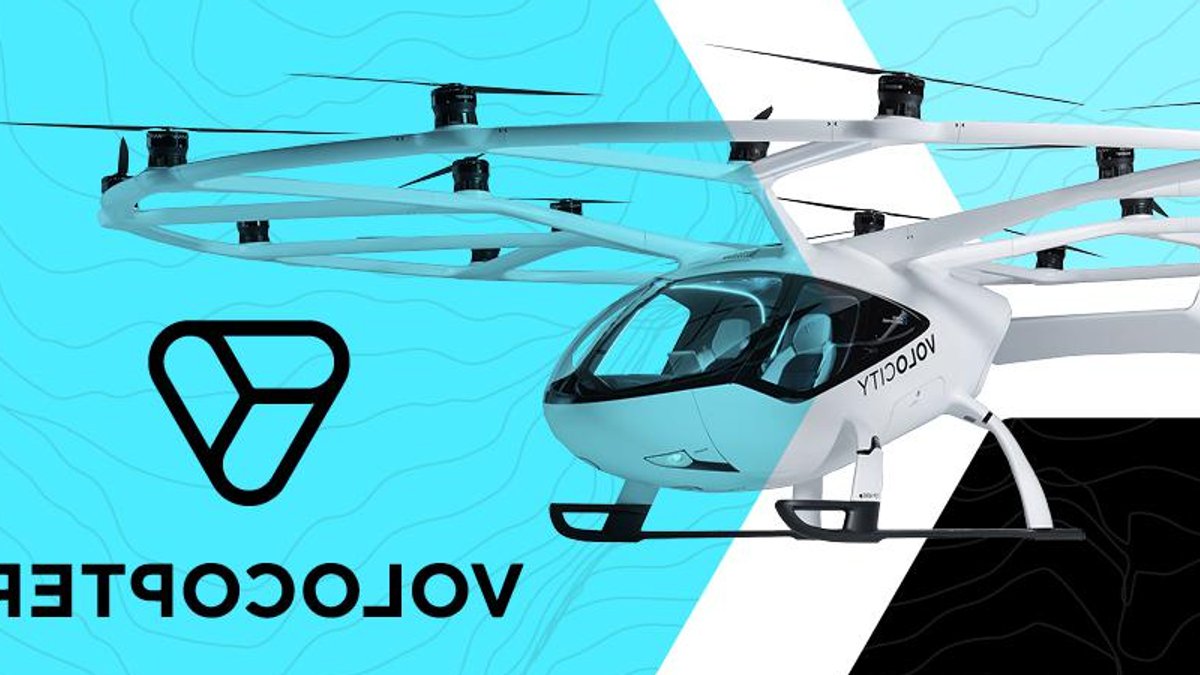
Flying cars have lingered in science fiction for decades, from Blade Runner to The Jetsons. While smartphones and drones became everyday tools, personal air travel stayed out of reach. Even Amazon’s promise of drone deliveries—made a decade ago—has yet to materialize at scale.
Volocopter’s push for urban air taxis
A German startup, Volocopter, is betting on electric vertical-takeoff-and-landing (eVTOL) vehicles to change that. Its VoloCity model resembles a compact helicopter, designed to carry two passengers on short trips. A larger variant, VoloConnect, combines VTOL rotors with plane-like propulsion for longer distances—both fully electric.
The company recently secured $170 million in funding, fueling a hiring spree. Job listings tracked by LinkedIn show Volocopter’s workforce doubled in the past year, now employing around 500 people. The roles reveal the hurdles ahead: engineers specializing in aircraft acoustics to reduce noise, battery experts to improve power density, and legal staff to handle aviation regulations.
Autonomy is another priority. With only two seats, eliminating pilots could cut costs, but Volocopter’s planned 2024 commercial flights will still rely on human operators for safety. The company has logged over 1,000 test flights, yet scaling up means outpacing competitors like Joby Aviation and Lilium while solving technical and regulatory challenges.
Why now—and why it’s still hard
Past attempts at flying cars often stumbled on battery limitations, noise, and infrastructure. Volocopter’s approach sidesteps some of those issues by focusing on short, urban hops rather than cross-country travel. But even modest gains in battery efficiency remain elusive, frustrating electric vehicle makers for years.
Related: Max Keiser Advises El Salvador on Bitcoin Bonds
Regulatory approval is another bottleneck. Aviation authorities treat eVTOLs as aircraft, not cars, requiring rigorous certification. Volocopter’s legal hires suggest the company is preparing for a lengthy process, one that could delay widespread adoption even if the technology works.
Then there’s the question of public trust. Helicopters, the closest existing equivalent, are noisy, expensive, and rare in cities. Convincing commuters to swap trains or ride-hail services for air taxis will require more than just a smooth test flight—it’ll need proof that the system is safe, affordable, and reliable.
If Volocopter succeeds, it won’t look like the flying cars of movies. No folding wings, no highways in the sky. Instead, it might resemble a network of quiet, electric shuttles ferrying passengers between rooftop pads in cities like Paris or Singapore, where the company has already tested prototypes. The sci-fi future, in other words, may arrive in pieces—not all at once.
For now, the biggest test isn’t whether the vehicles can fly. It’s whether they can do so without drowning out the city below.

Max Keiser Advises El Salvador on Bitcoin Bonds


