


Bangladesh garment workers protest for higher wages amid rising costs
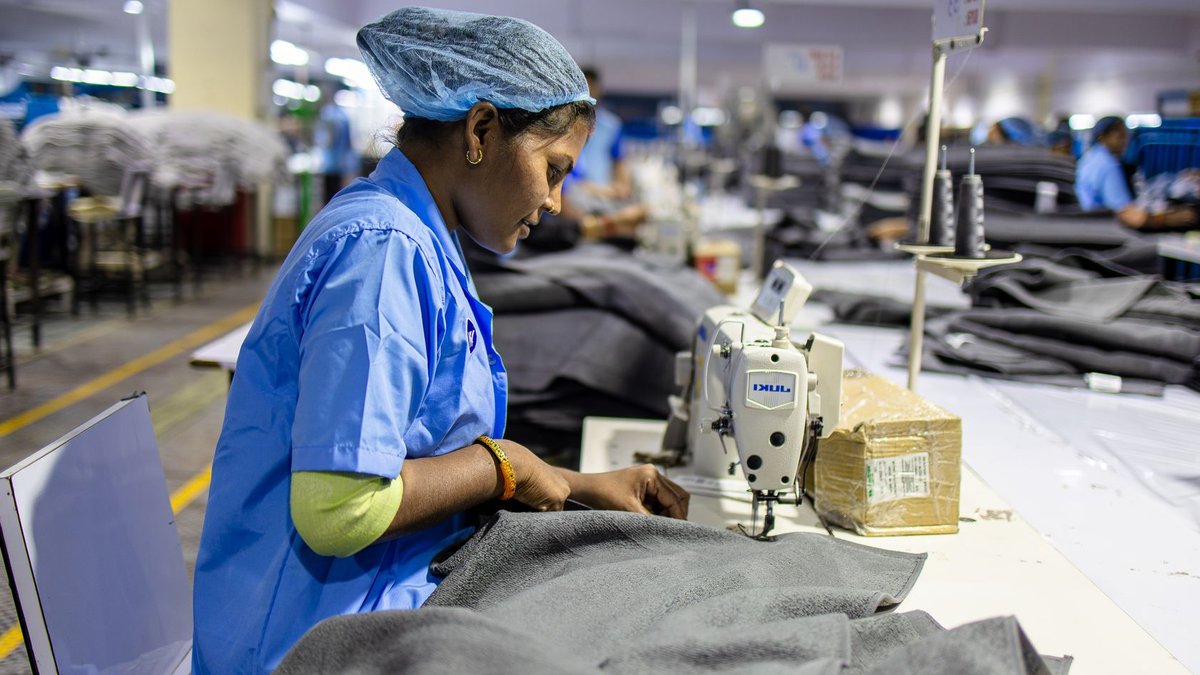
Garment workers in Bangladesh are demanding a significant increase in the minimum wage, citing rising living costs that have outpaced their earnings. Thousands of workers took to the streets last week, calling for a raise to 30,000 taka ($242.82) per month, up from the current 12,500 taka.
The protests, some of which turned violent, led to the closure of hundreds of factories as workers clashed with police. The government’s wage board has agreed to implement a revised wage structure from December, with the first pay increase expected in January. However, the size of the increase remains undecided.
A struggle to make ends meet
For workers like Shilpi Khatun, a 27-year-old garment worker in Gazipur, the current wage is insufficient to cover basic needs. As the sole breadwinner in her family, Khatun cooks over a wood-fired clay stove because they cannot afford gas. Despite working in the industry for five years, she struggles to afford necessities like food and healthcare.
“Everything costs more now,” Khatun said. “Rent has doubled, food is more expensive, and whatever I earn disappears before the month is over.”
Khatun’s salary has increased from 9,000 taka to 13,500 taka ($108) over the years, but it’s still not enough. With overtime, she earns around 16,000 taka, but the money rarely lasts until the next payday. On the hardest days, her family survives on puffed rice.
Impact on workers and their families
The situation is similar for Roksana Parveen, a 29-year-old sewing operator in Ashulia. Parveen and her two daughters often live on little more than rice and vegetables, with meat and fish becoming unaffordable luxuries. To cut costs, one of her daughters had to drop out of school.
The cost-of-living crisis in Bangladesh has been ongoing since 2022, with inflation averaging around 9%. While food prices initially drove the surge, non-food costs have remained high, making it difficult for workers to make ends meet.
Manufacturers argue that a steep wage increase would erode Bangladesh’s cost advantage over rivals like India and Vietnam, further squeezing margins already under pressure from higher energy costs. However, workers like Khatun and Parveen say the current wages are not enough to keep up with rising prices, forcing them to make difficult choices over everyday spending.
Bangladesh’s garment industry at a crossroads
Bangladesh’s garment industry, which generates more than 80% of the country’s export earnings and employs over 4 million people, is at a crossroads. The industry’s low labor costs have made it a preferred manufacturing base for global brands like H&M, Zara, Gap, Primark, and Walmart.


