


Martin Shkreli banned from Twitter a brief history
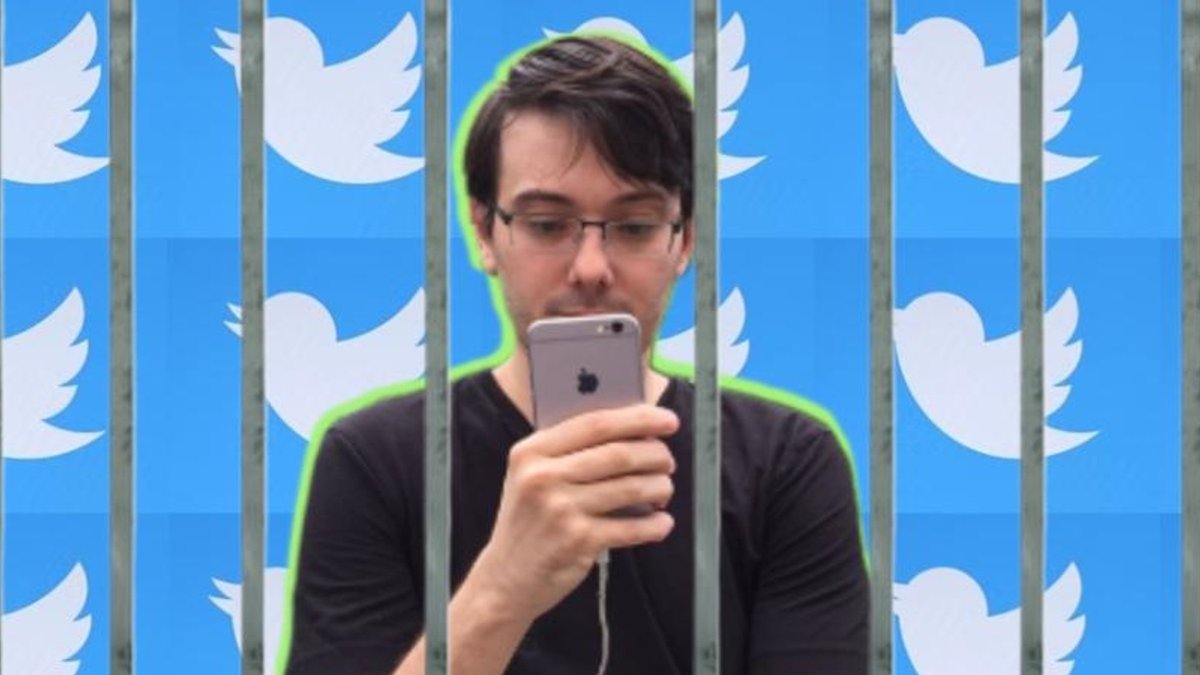
Martin Shrekeli’s permanent removal from Twitter in early 2017 stemmed from a series of harassing interactions with liberal writer Lauren Duca, which escalated after a viral photo of the “Pharma Bro” holding the Wu‑Tang Clan’s Once Upon a Time in Shaolin album was posted on the platform.
Harassment claims trigger platform action
In July 2017, a friend of his created a collage that merged Duca’s image with his own face, then set the edited picture as his Twitter profile picture and header. Duca posted a complaint about the image, tagging Twitter CEO Jack Dorsey. Within hours, the platform suspended him for violating its harassment policy.
The incident followed a series of confrontations that began when Duca, a former Teen Vogue writer, posted a snide photo of the “Pharma Bro” at a media gathering he hosted in Times Square. He later sent Duca a direct message asking if she would be his “plus 1” at President Trump’s inauguration. She responded by sharing a screenshot of the message and stating she would rather “eat” her own organs.
After Duca’s public rebuke, the behavior intensified. He repeatedly referenced her in live streams and tweets, framing the exchange as a facetious romance. Followers amplified the harassment, turning it into a meme that many observers found offensive.
The ban was swift.
Related: The hidden power of superconnectors revealed
Consequences beyond the ban
The removal affected his broader public profile. Business journalists withdrew invitations to panel discussions on drug pricing, and a scheduled talk at Princeton was initially canceled. He eventually spoke at the university after a student group intervened, but the episode contributed to a growing perception of him as a pariah.
Legal proceedings overlapped with the social‑media controversy. In late July 2017, his securities‑fraud trial was concluding, and he publicly expressed confidence he would be acquitted. Later, he claimed he would “f*ck” Duca after the trial, language that many interpreted as a threat. Duca’s response—vowing to “chop off” his organ—further inflamed the situation.
The platform’s response aligns with its stated policy against targeted harassment. The decision to ban him was not tied to his drug‑pricing controversies or securities‑fraud convictions, but specifically to the repeated, personal attacks directed at Duca.
From a broader perspective, the case illustrates how platforms enforce rules when harassment targets a public figure, especially when the offender leverages a large following to amplify the behavior. The removal highlighted the importance of consistent policy application, regardless of the offender’s notoriety.
Shrekeli’s ban remains a reference point in discussions about social‑media moderation. It demonstrates that even high‑profile individuals can be removed for violating harassment standards, and it shows the challenges platforms face when distinguishing between provocative speech and abusive conduct.

The hidden power of superconnectors revealed


